

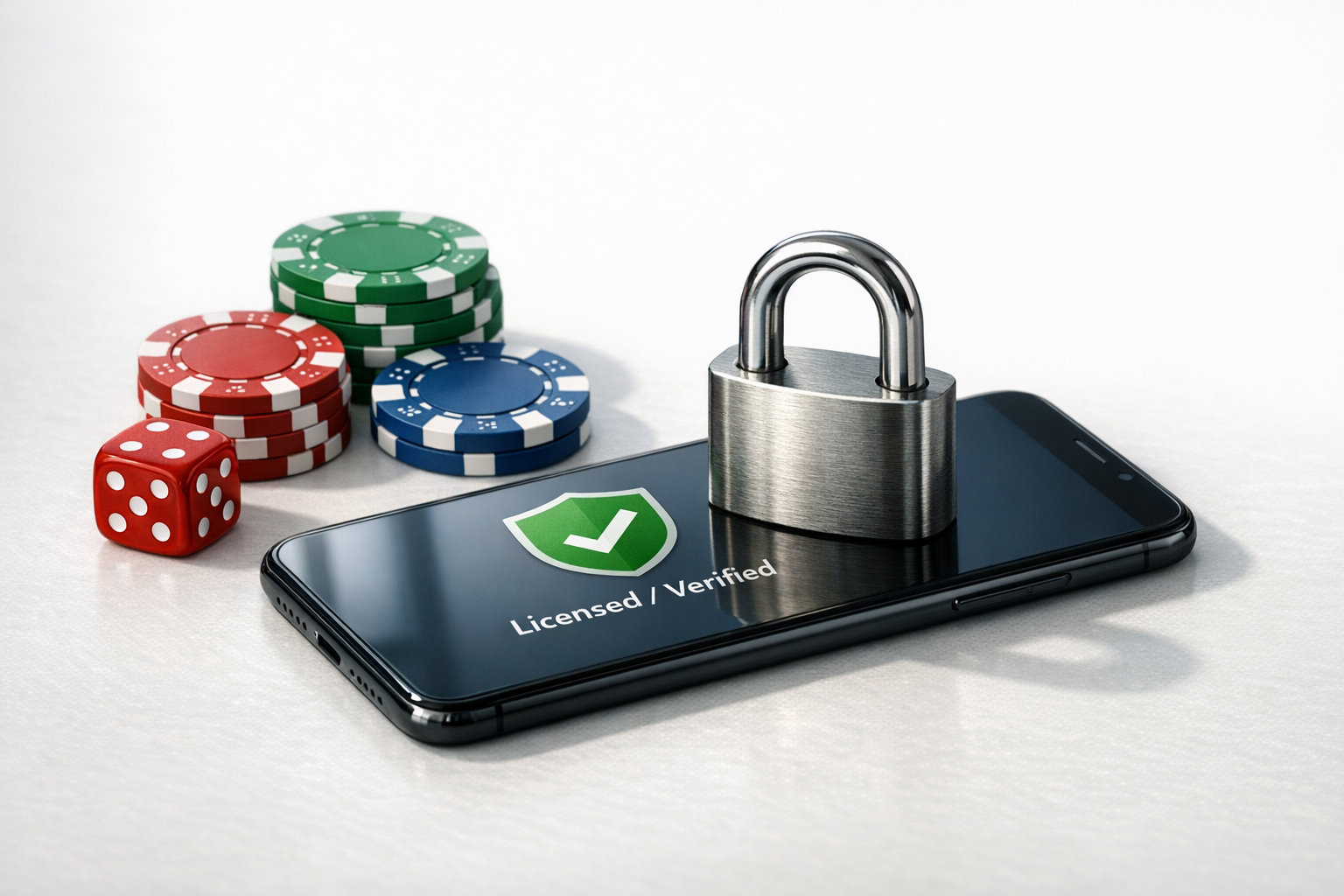

Online casino regulation determines how digital gaming platforms are licensed, monitored, and held to standards for player protection.
Licensing, fairness requirements, and responsible gaming protocols form the foundation of a secure experience. This article outlines how these regulatory standards operate and what they mean for users.
The regulatory landscape for online casinos affects the safety, fairness, and clarity players encounter when using these platforms. With digital gambling now widely accessible, understanding who establishes the rules and how those rules are enforced is important for both new and experienced users. Aintree grand national betting represents part of the wider betting industry regulated by these rules, illustrating the scope of environments regulators oversee to maintain accountability. Regulation helps balance entertainment value with player security by establishing clear standards for a well-managed website.
Why effective regulation matters for everyday users
Regulation in the online casino sector is designed to create an environment where users can engage with digital games securely. When regulations are enforced, users encounter consistent standards for integrity and operational reliability.
One direct benefit is improvement in player confidence. Rules require platforms to disclose important terms, use certified software, and provide transparent payout practices. This clarity can help reduce the likelihood of misunderstandings or disputes during play.
Beyond confidence building, effective regulation establishes accountability mechanisms that protect users when issues arise. Regulated platforms are typically required to maintain dispute resolution procedures and participate in independent arbitration schemes. This means that if a player encounters a problem with withdrawals, game malfunctions, or account disputes, there are formal channels available to seek resolution. Without regulatory oversight, users would have limited recourse when facing unfair treatment or technical problems, leaving them vulnerable to potential exploitation or unresolved complaints.
Key regulators and what licensing usually involves
Online casinos are typically overseen by government authorities or officially recognised agencies. These organisations grant operating licences after reviewing an applicant’s policies, systems, and security practices to confirm compliance with established standards.
Licensing generally involves verifying that the operator follows responsible gaming practices and protects personal information. Platforms are expected to prove their ownership structure, financial stability, and openness to audits. Obtaining a licence from a recognised regulator shows that a casino addresses its legal responsibilities thoroughly.
Core standards for consumer protection and safety
Most regulatory frameworks require online casinos to conduct age verification and identity checks. This helps ensure that only eligible adults can register, protecting minors from access to gambling products.
Regulations often require features such as deposit limits, self-exclusion options, and cool-off periods. These measures give players practical tools to control their gaming activity and may help prevent the development of problematic behaviours.
Terms and conditions for games, bonuses, and withdrawals must also be explained clearly. This helps ensure that users understand requirements and restrictions before participating, minimising ambiguity about offers and payouts.
Ensuring fairness, game integrity and payment safety
Independent testing agencies regularly assess random number generators in casino games. Their role is to confirm that game results are genuinely unpredictable and not subject to manipulation, supporting fair play standards.
Regulators may require ongoing security audits and oversight of different betting activities. This helps ensure platforms adhere to industry standards, reduces fraud risk, and supports operational transparency.
Transaction safeguards are required in most regulated environments. Platforms must carry out anti-money laundering checks, monitor unusual transactions, and use robust identity verification methods to limit the risk of illicit activity.
What users should expect from regulated platforms
Regulated online casinos usually display their licensing details and consumer protection policies prominently on their websites. When considering a platform, users should look for accessible support channels, clear privacy notices, and published complaint procedures.
Responsible advertising guidelines help further protect users. Most authorities set rules for honest marketing, transparent bonus terms, and restrictions to prevent advertising to vulnerable individuals.
Overall, regulation directs the way online casinos function, maintaining a balance between innovation, entertainment, and user security. As the industry develops, regulatory oversight remains central to supporting a safe and fair gaming environment.
Share us with your friends on social media, and have a listen to Bournemouth One online and on DAB for all your local news, traffic, jobs, weather, coastal info and more.
Register below for free regular updates via email.