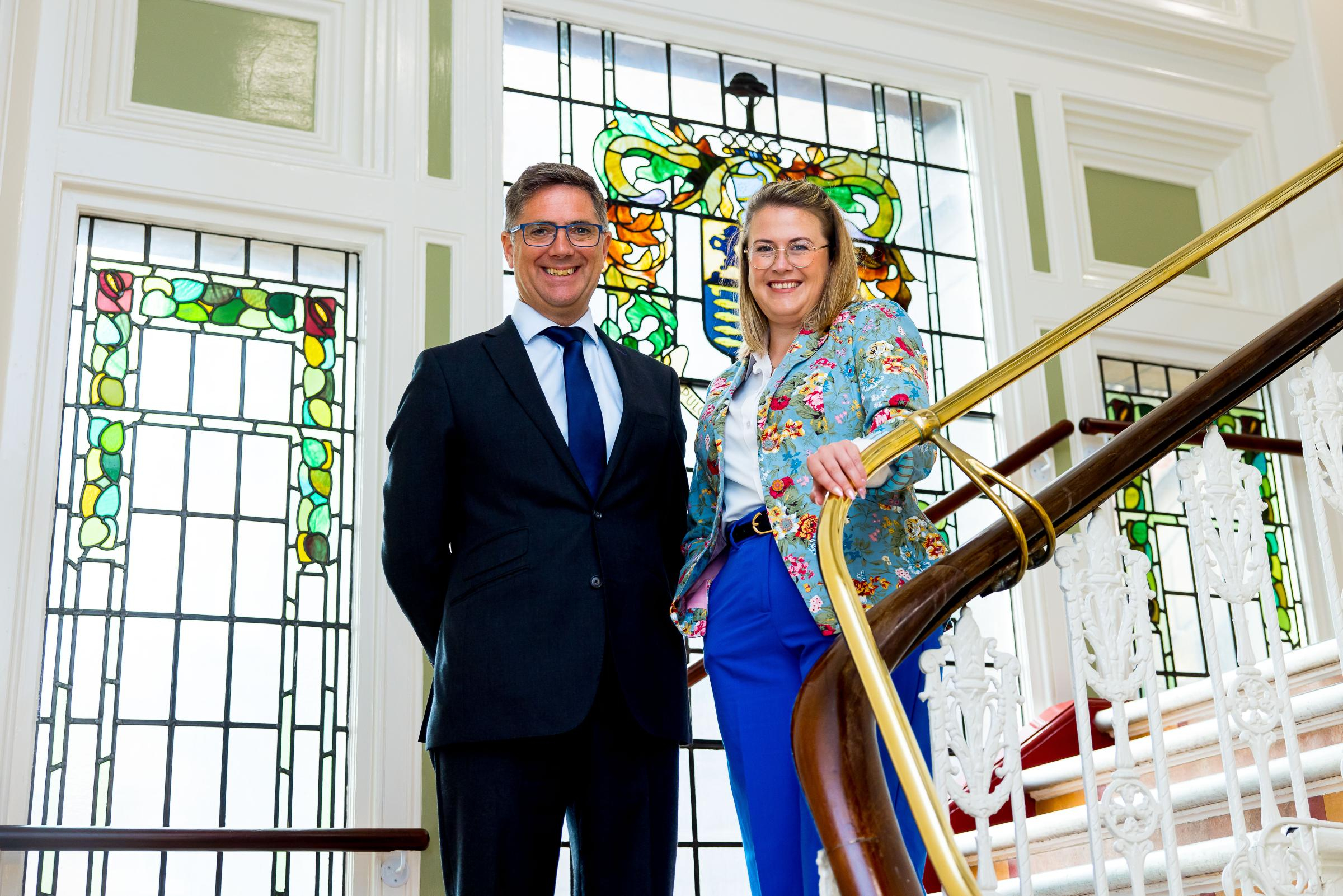


Academics at Bournemouth University have found menopause can significantly affect autistic people, sometimes worsening mental health and daily living skills.
The research, led by Dr Rachel Moseley and Visiting Professor Julie Gamble-Turner, is the first to explore autistic experiences during menopause. Since 2018, several hundred participants have shared personal stories and completed psychological tests.
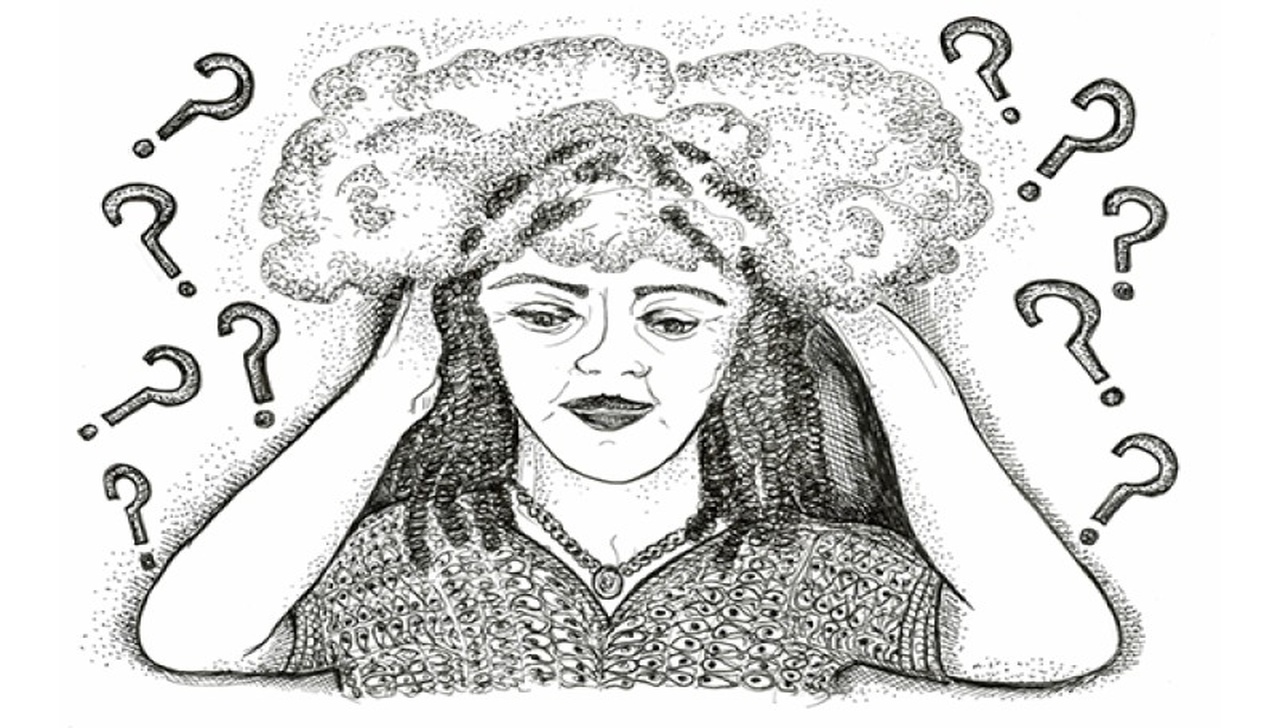
Findings show menopause can amplify aspects of autism that were previously helpful, making hyper-focus, attention to detail, and sensory sensitivities more challenging. Many participants with co-occurring ADHD reported similar increases in difficulties. Dr Moseley said some described severe mental health deterioration, including heightened anxiety, depression, self-harm, and suicidal thoughts, often combined with experiences of being misunderstood by healthcare professionals.
The researchers interviewed sixteen autistic participants to explore why autism affects menopause experiences. Professor Gamble-Turner explained that menopause involves neurological changes that interact with pre-existing differences or life stress. The team has used these insights to publish a book, Autistic Menopause: A Guide to the Menopausal Transition for Autistic People and those Supporting Them, offering guidance for neurodivergent individuals and those who support them.
Both academics highlight the importance of improving resources and support for autistic people and those with ADHD during menopause, stressing its long-term impact on health and wellbeing.